
The Truth About Shilajit: Coffee Scents, Hidden Fillers, and Why Resin Reigns Supreme
The Truth About Pure Shilajit Resin: Coffee Scents, Hidden Fillers, and Why It Reigns Supreme
Are you looking for Pure Shilajit Resin that truly retains its natural potency? Shilajit has taken the global wellness world by storm. From traditional formulators to modern wellness brands, everyone wants this Himalayan botanical. But with popularity comes dilution. A common question we hear in the industry is: "Why does some commercial Shilajit smell like coffee?" or "Is resin better than spray-dried powder?"
To truly experience the authentic power of this Ayurvedic exudate, formulators and buyers must find Pure Shilajit Resin and look beyond marketing gimmicks.
1. The "Coffee Smell" Warning: What It Really Means
One of the easiest ways to spot processed or adulterated Shilajit is the smell test.
- The Commercial Trap: Many mass-market brands sell Shilajit that smells distinctly like roasted coffee, cocoa, or burnt sugar. While this might seem pleasant, it is often a red flag indicating that the product has been over-processed or mixed with artificial flavors and thickeners.
- The Authentic Reality: Real, Pure Shilajit Resin does not smell like a café. It has a strong, pungent, and earthy aroma—reminiscent of cow urine (Gomutra) or old bitumen. This intense, raw scent is the primary indicator that no artificial additives are present.
2. Why Choose Pure Shilajit Resin Over Powders?
Manufacturing convenience shouldn't come at the cost of efficacy. Here is why the resin form is superior for high-quality formulations:
- The Problem with Drying: To turn Shilajit into a powder, it is often spray-dried at high temperatures. This excessive heat can destroy the delicate bioactive compounds and fulvic acid structure.
- The Living Form: Always prefer Pure Shilajit Resin because it responds naturally to temperature—it hardens in cold environments and softens in warmth. This temperature sensitivity confirms that the resin has retained its natural molecular integrity.
3. The Hidden Difference: Shodhan vs. Extraction
Not all purification methods are created equal.
- Chemical Extraction: Many commercial suppliers use harsh solvent extraction to artificially chase high percentages of Fulvic Acid, stripping the product of its full-spectrum benefits.
- Traditional Shodhan: The superior method involves purifying the raw rock with Triphala Decoction. According to ancient Ayurvedic texts, this traditional process naturally filters out heavy metals while infusing the resin with natural antioxidants, ensuring you get high-quality Pure Shilajit Resin that is safe for global consumption.
How to Identify the Best Quality at Home or in the Lab
Before using it in your daily routine or commercial formulation, put your product to the test:
- Solubility: The resin should dissolve 100% in warm water, leaving no sandy or gritty residue at the bottom.
- The Flame Test: It will bubble when heated, but it will never catch fire or burn like plastic.
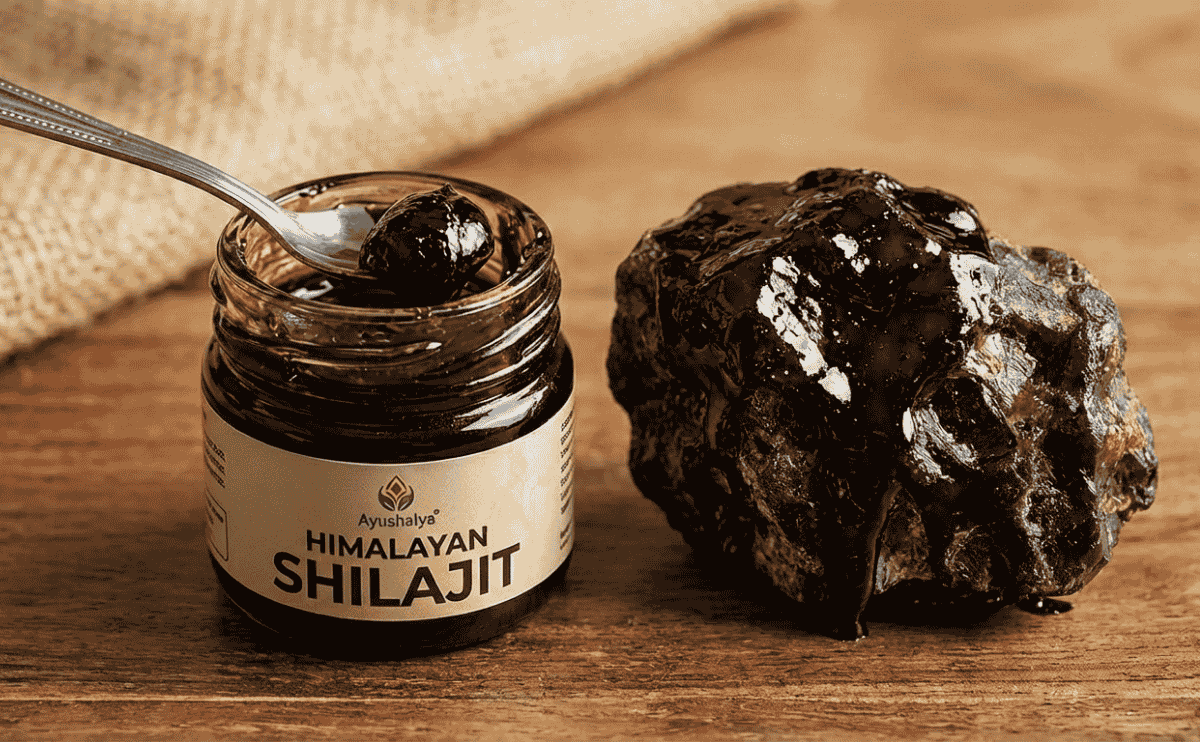
- The Texture: Authentic Pure Shilajit Resin should be glossy, sticky, and tar-like.
Conclusion: Choose Potency Over Palatability.
Real Ayurveda isn't about sugar-coating. When sourcing Shilajit, avoid commercialized variants that taste like candy. Prefer the raw, rugged, and Pure Shilajit Resin for maximum potency, compliance, and safety.
Source Premium, Lab-Tested Shilajit Resin
Are you a pharmaceutical manufacturer, wellness brand, or global distributor looking for unadulterated, pure Shilajit Resin? Hub Herb India (Growbiz International) supplies premium export-grade Shilajit with complete regulatory documentation, including COA and MSDS.
Request a Bulk Quote (FOB/CIF): connect@hubherbindia.com
WhatsApp Export Desk: +91-9169164436